Quick Fixes for Common Dog Coat Issues
A dog's coat is not just a fashion statement; it's a reflection of their health and well-being. A lustrous, well-maintained coat not only makes your furry friend look fabulous but also signifies good health. However, dogs can face various coat issues that may require your attention. In this blog, we will explore some of the most common dog coat problems and provide you with quick and effective solutions to keep your pet's coat in tip-top shape.
Section 1: Shedding Woes and Solutions
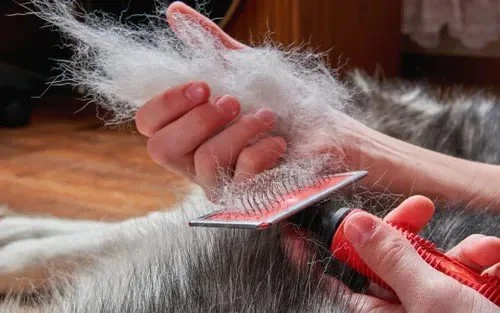
Understanding Shedding: Shedding is primarily influenced by breed, genetics, and seasonal changes. Dogs typically have a summer and winter coat, and the transition between them leads to shedding. Breeds like the Husky or Golden Retriever are known for their heavy shedding, while breeds like Poodles shed minimally.
Factors That Influence Shedding:
Breed:
As mentioned, some breeds are more prone to shedding than others. Research your dog's breed to understand what to expect.
Season:
Seasonal shedding is a common occurrence. Most dogs will shed their winter coat in the spring and their summer coat in the fall.
Diet:
Nutrition plays a significant role in coat health. Ensure your dog's diet is rich in essential fatty acids, like Omega-3 and Omega-6, to support a healthy coat.
Stress:
Stress can exacerbate shedding. Keep your dog's environment calm and secure.
Solutions for Managing Shedding:
Regular Grooming: Brushing your dog regularly helps remove loose hair before it ends up on your furniture and clothes. The type of brush you use should be suitable for your dog's coat type.
Balanced Diet: Opt. for high-quality dog food with the right balance of nutrients. Omega-3 and Omega-6 fatty acids are excellent for coat health.
Supplements: Consult your veterinarian about adding supplements if your dog's coat seems lackluster. Supplements like fish oil can be beneficial.
Hydration: Ensure your dog stays well-hydrated, as this can prevent dry, flaky skin, which can increase shedding.
Regular Vet Check-ups: Sometimes, shedding may be a sign of an underlying health issue. Regular vet check-ups can help identify and address these concerns.
Minimize Stress: Creating a calm and happy environment for your dog can reduce stress-related shedding.
Specialized Shampoos: Some shampoos are designed to reduce shedding. Use them in moderation, as excessive bathing can also lead to dry skin and increased shedding.
Shedding is a natural part of a dog's life, and while you can't entirely eliminate it, you can manage it effectively. By understanding the factors that influence shedding and implementing these solutions, you can keep your dog's coat healthy and your home fur-less. Shedding should not be a cause for stress but rather an opportunity for you to relax through regular grooming and care.
Section 2: Tackling Mats and Tangles
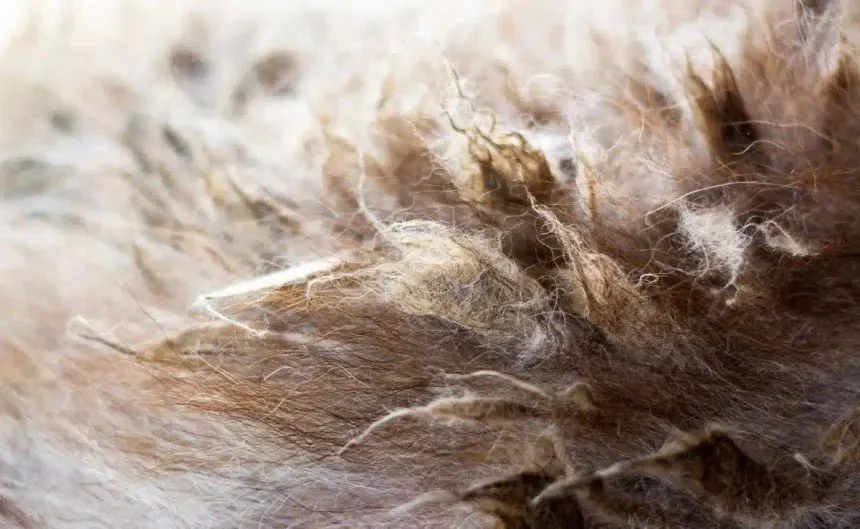
Matted and tangled fur can be painful for your dog and challenging to untangle. We'll share tips on preventing mats and safely removing tangles, promoting a comfortable and attractive coat.
Matted and tangled fur can be a common issue for dogs with longer or denser coats, and it's not just a matter of aesthetics – it can be genuinely uncomfortable and painful for your furry friend. In this section, we'll delve into the world of mats and tangles, sharing valuable tips on both preventing them and safely removing them. Our aim is to promote a comfortable and attractive coat for your canine companion.
Understanding Mats and Tangles
Mats and tangles occur when your dog's fur becomes knotted and intertwined. They can form due to various reasons, including natural shedding, dirt accumulation, moisture, or even your dog's activities like rolling in the grass. Mats can be particularly problematic for long-haired breeds or those with double coats, as their fur is more prone to tangling.
These pesky knots not only detract from your dog's appearance but also pose potential health risks. Mats can pull on your dog's skin, leading to discomfort and irritation. In severe cases, they can even cut off proper air circulation to the skin, potentially causing skin issues.
Preventing Mats and Tangles
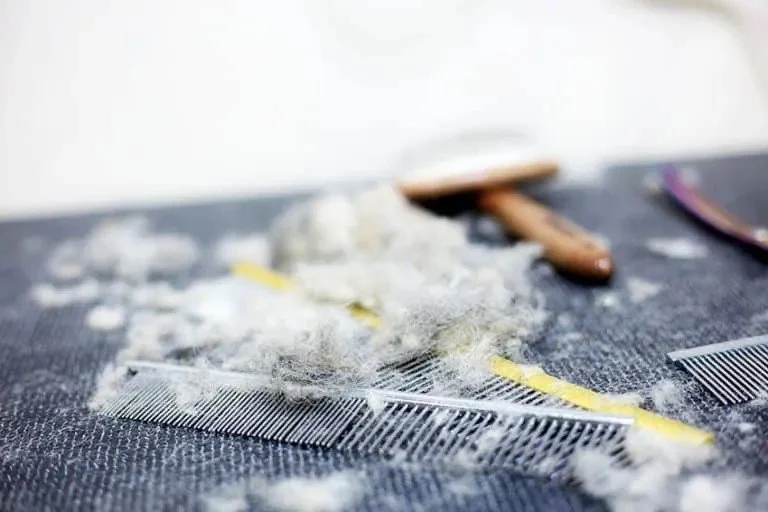
Prevention is often the best strategy when it comes to mats and tangles. Here are some tips to keep your dog's coat knot-free:
Regular Brushing: Brushing your dog's coat on a regular basis, depending on their breed and coat type, can go a long way in preventing mats. It helps remove loose fur and keeps the remaining hair well-groomed.
Use the Right Tools: Invest in the right grooming tools for your dog's coat type. Slicker brushes, combs, and dematting tools can be essential in preventing and dealing with mats.
Maintain a Healthy Diet: Proper nutrition leads to a healthier coat. A well-balanced diet with essential nutrients can promote fur health and reduce shedding.
Hydration: Ensure your dog stays well-hydrated. Dehydrated dogs are more prone to dry, brittle fur that tangles easily.
Regular Baths: While over-bathing can strip the coat of natural oils, occasional baths using a high-quality dog shampoo and conditioner can help keep the coat in good condition.
Trimming: Regular visits to the groomer for trims can help manage long hair and reduce the risk of mats.
Safely Removing Tangles
If your dog does develop mats or tangles, it's essential to address them promptly and safely. Attempting to pull or cut out knots can be painful and potentially lead to injuries. Here's how to deal with them:
Gentle Brushing: Start by gently brushing the tangled area using a slicker brush or dematting tool. Work through the knot slowly and patiently, starting from the tip of the hair and moving inwards. Hold the base of the fur close to your dog's skin to minimize discomfort.
Use Detangler Spray: Applying a detangler spray to the knot can help loosen the tangles, making them easier to comb out.
Divide and Conquer: For larger mats, divide them into smaller sections and tackle each part separately.
Seek Professional Help: If the mats are extensive or too difficult to remove, it's best to consult a professional groomer. They have the expertise and tools to handle challenging mats safely. WAG the Dog Grooming specialize in careful and efficient grooming services where WAG the Dog Professional Groomers are trained to help alleviate your struggle and dogs pain.
Promoting a Comfortable and Attractive Coat
A mat-free coat is not only aesthetically pleasing but also contributes to your dog's comfort and well-being. An unkempt coat can trap heat, leading to discomfort, especially in warm weather. It can also become a breeding ground for parasites like fleas and ticks.
A well-maintained coat allows for proper air circulation, which is essential for your dog's skin health. It helps them stay cooler in the summer and warmer in the winter. It also reduces the risk of skin issues, such as hot spots and irritations.
Tackling mats and tangles is a crucial aspect of grooming and pet care. By preventing these knots and addressing them when they occur, you'll not only keep your dog looking their best but also ensure their comfort and overall well-being.
Section 3: Dry and Flaky Skin
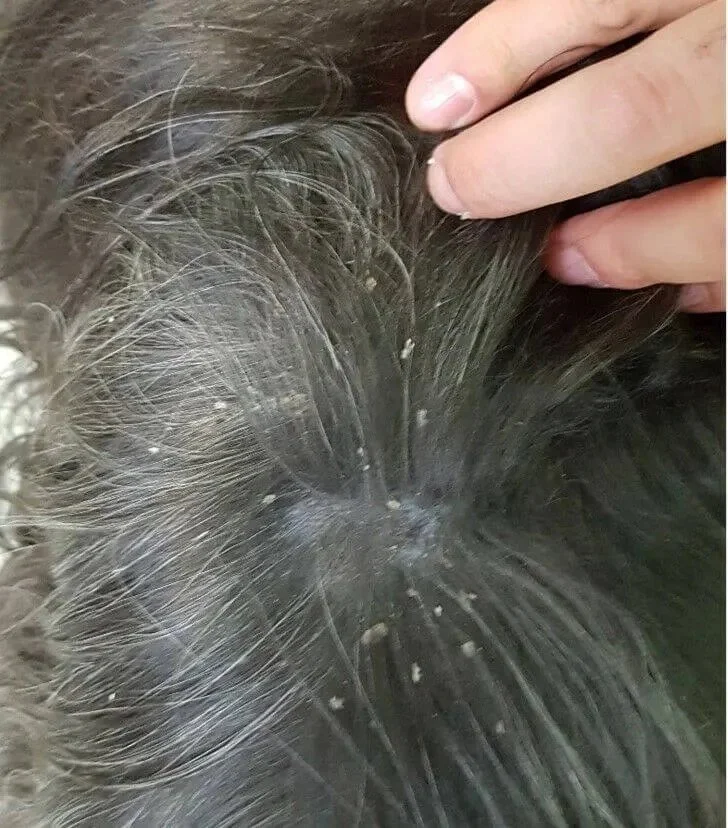
Dry, flaky skin can lead to itching and discomfort for your furry friend. We'll discuss the causes of dry skin and suggest remedies, such as dietary changes and skin-nourishing products.
Understanding Dry Skin in Dogs
Just like humans, dogs can experience dry and flaky skin. It's a common issue and can result from various factors:
Environmental Conditions: Harsh weather, low humidity, and extreme temperatures can sap moisture from your dog's skin, leading to dryness.
Lack of Proper Nutrition: A balanced diet with essential nutrients is critical for maintaining healthy skin and coat. Nutritional deficiencies can result in dry skin.
Allergies: Dogs can be allergic to certain foods or environmental factors. Allergies can manifest as dry, itchy skin.
Parasites: Fleas, ticks, and mites can irritate your dog's skin, leading to dryness.
Bathing Habits: Over-bathing or using harsh shampoos can strip the skin of its natural oils, causing dryness
Recognizing Dry Skin
It's essential to recognize the signs of dry skin in your dog:
Flakiness: Look for flakes or scales on your dog's skin or in their fur.
Itching: If your dog is scratching, licking, or chewing their skin excessively, it may be due to itchiness caused by dryness.
Redness: Dry skin can lead to red, inflamed areas on your dog's body.
Dull Coat: Dry skin can affect the quality of your dog's coat, making it appear lackluster.
Alleviating Dry Skin
To alleviate dry skin and ensure your dog is comfortable, consider the following steps:
Proper Nutrition: Ensure your dog is on a well-balanced diet with the right nutrients, including essential fatty acids that promote healthy skin.
Regular Grooming: Brush your dog regularly to distribute natural oils and remove dead skin cells.
Bathing: Use a high-quality, moisturizing dog shampoo and conditioner. Avoid over-bathing; once a month is typically sufficient.
Hydration: Ensure your dog has access to fresh, clean water at all times.
Humidifier: In dry climates, consider using a humidifier in your home to increase moisture in the air.
Parasite Control: Keep your dog protected from parasites that can irritate their skin.
Allergy Management: If your dog has allergies, work with your veterinarian to identify and manage them.
Consult a Veterinarian: If your dog's dry skin is severe, persistent, or accompanied by other concerning symptoms, consult your veterinarian. Underlying medical issues may need to be addressed.
Dry and flaky skin can make your dog uncomfortable and affect their overall well-being. By understanding the causes, recognizing the signs, and taking appropriate steps to address dry skin, you can ensure your furry friend enjoys a healthy, comfortable, and lustrous coat.
Section 4: Dull Coat Blues

A dull coat often indicates an unhealthy diet or an underlying health issue. We'll delve into the causes of a lackluster coat and provide dietary recommendations and grooming tips for restoring that healthy shine.
A dull coat can be a source of concern for dog owners. In this section, we'll explore the reasons behind a lackluster coat and provide insights into how you can bring back the shine and vibrancy.
Understanding a Dull Coat
A dog's coat should be glossy and vibrant. A dull coat, on the other hand, can be indicative of underlying issues. Several factors can contribute to a lackluster coat:
Nutritional Deficiencies: Just like with dry skin, a lack of essential nutrients in your dog's diet can impact the quality of their coat.
Dehydration: Inadequate water intake can lead to a lack of moisture in the skin, resulting in a dull coat.
Age: As dogs age, their coat may naturally lose some of its shine. However, proper care can still maintain a healthy appearance.
Health Issues: Certain health conditions can affect the coat, such as thyroid problems or allergies.
Grooming Habits: Infrequent brushing and a lack of proper grooming can lead to a buildup of dead skin cells and impede the distribution of natural oils.
Restoring Shine to the Coat
To address a dull coat and restore its vibrancy, consider the following tips:
Dietary Improvements: Ensure your dog's food is rich in essential nutrients, particularly omega-3 and omega-6 fatty acids, which promote coat health.
Hydration: Make sure your dog has access to plenty of fresh water. Proper hydration is essential for a shiny coat.
Regular Brushing: Brush your dog's coat regularly to remove dead hair and distribute natural oils. This also prevents matting and tangling.
High-Quality Grooming Products: Use high-quality shampoos and conditioners specifically designed for your dog's coat type.
Balanced Bathing: Avoid over-bathing, as it can strip the coat of natural oils. Aim for a bathing schedule that suits your dog's breed and lifestyle.
Professional Grooming: Consider professional grooming, especially if your dog has a long or dense coat. Expert groomers can ensure your dog's coat is at its best.
Health Check: If you suspect underlying health issues, consult your veterinarian. They can assess your dog's overall health and address any medical concerns.
Allergy Management: If allergies are causing coat problems, work with your vet to identify and manage them.
Age-Appropriate Care: Adjust your grooming and care routine to suit your dog's age and specific needs.
A dull coat doesn't have to be a permanent condition. With proper care, attention to diet, and regular grooming, you can help your dog regain a glossy and vibrant coat. Remember that a healthy coat is not just about appearance; it often reflects your dog's overall well-being and happiness.

Section 5: Excessive Oiliness
Excess oil on your dog's coat can lead to a smelly, greasy mess. We'll explain what causes excessive oiliness and how to address it through the right bathing techniques and dietary adjustments.
Excessive oiliness can lead to various issues for your dog, from an unpleasant odor to skin problems. In this section, we'll delve into what causes excessive oiliness and how you can effectively manage it.
Understanding Excessive Oiliness
A certain level of oiliness in your dog's skin and coat is natural. It's the body's way of keeping the skin and hair healthy. However, when the oil glands go into overdrive, it can result in excessive oiliness. Common causes include:
Genetics: Some dog breeds naturally have oilier skin and coats.
Diet: Low-quality or imbalanced diets can sometimes trigger overproduction of skin oils.
Hormonal Imbalances: Hormonal changes or imbalances, such as those related to thyroid issues, can affect the skin's oil production.
External Factors: Exposure to certain environmental factors, like humidity, can exacerbate oiliness.
Infections: Bacterial or fungal infections can lead to skin issues, including excessive oil production.
Managing Excessive Oiliness
To address excessive oiliness and maintain a healthy coat, consider these strategies:
Balanced Diet: Ensure your dog is on a balanced diet with high-quality food. Omega-3 and omega-6 fatty acids can help regulate oil production.
Proper Grooming: Regular grooming is crucial. Brush your dog's coat to distribute natural oils and prevent matting. Use a high-quality shampoo designed for dogs with oily skin.
Bathing Schedule: Establish a regular bathing schedule that suits your dog's breed and lifestyle. Over-bathing can strip the coat of oils, so find the right balance.
Professional Help: If your dog's oiliness issue persists, consult a professional groomer. They can recommend specialized treatments and products.
Skin Checks: Regularly examine your dog's skin for any signs of infection, irritation, or abnormal oiliness. Promptly address any issues you find.
Hormone Evaluation: If you suspect hormonal imbalances, consult your veterinarian for evaluation and potential treatment.
Environmental Control: Minimize your dog's exposure to extreme humidity and other factors that can exacerbate oiliness.
Proper Hydration: Ensure your dog drinks enough water. Proper hydration can help regulate oil production.
Excessive oiliness can be an uncomfortable experience for your dog and can lead to skin and coat issues. By following a well-rounded approach to grooming, nutrition, and healthcare, you can effectively manage oiliness and help your furry friend maintain a healthy and balanced coat. Remember that every dog is unique, so tailor your approach to their specific needs.
Section 6: Allergies and Skin Conditions

Allergies and skin conditions can wreak havoc on your dog's coat. We'll identify common allergens, discuss signs of allergies or skin issues, and suggest solutions, such as specialized shampoos and dietary restrictions.
Allergies and skin conditions can be a source of discomfort for your dog, often leading to itching, redness, and other problems. In this section, we'll explore common allergies and skin conditions in dogs and how to address them.
Understanding Allergies and Skin Conditions
Environmental Allergies: Dogs can be allergic to environmental factors like pollen, dust mites, and mold. These allergies often manifest as itching and skin irritation.
Food Allergies: Some dogs have allergies to specific ingredients in their food. Common culprits include proteins like chicken or grains. Food allergies can result in skin problems and digestive issues.
Flea Allergy Dermatitis: A single flea bite can trigger an allergic reaction in some dogs. The resulting itching and skin inflammation can be severe.
Contact Dermatitis: Dogs can develop skin issues due to contact with irritating substances like certain plants, chemicals, or grooming products.
Parasites: Mites, ticks, and other parasites can cause skin conditions in dogs, leading to itching, hair loss, and discomfort.
Managing Allergies and Skin Conditions
To address allergies and skin conditions, consider these steps:
Identify the Cause: Determine the underlying cause of your dog's skin issues. Consult your veterinarian for allergy testing, if needed.
Allergy Management: If it's an allergy, reduce exposure to the allergen. This may include adjusting your dog's environment or diet.
Flea Control: Implement a rigorous flea control regimen to prevent flea allergy dermatitis. This may involve regular grooming and using flea preventive treatments.
Skin-Friendly Grooming Products: Use grooming products that are suitable for dogs with sensitive skin. Hypoallergenic shampoos can help.
Medication: In some cases, your veterinarian may prescribe medications to manage allergies or skin conditions. These may include antihistamines, steroids, or antibiotics.
Regular Baths: Frequent baths with medicated shampoos can alleviate itching and inflammation. Be sure to rinse thoroughly to remove all residues.
Nutrition: Consider a diet tailored to your dog's specific needs. Some dog foods are formulated to address skin issues.
Parasite Prevention: Keep your dog protected from parasites by using appropriate preventive measures.
Consult a Veterinarian: If the skin condition is severe or persistent, consult your veterinarian. They can provide a proper diagnosis and treatment plan.
Remember that each dog is unique, and what works for one may not work for another. A personalized approach is often necessary when addressing allergies and skin conditions in dogs. The key is to identify the underlying cause and work with your veterinarian to find the most effective solutions for your furry friend's specific needs. By taking a proactive approach to skin health, you can help your dog lead a more comfortable and enjoyable life.
Section 7: Choosing the Right Grooming Tools
Proper grooming tools are essential for maintaining a healthy coat. We'll guide you on selecting the right brushes, combs, and other grooming equipment to address various coat problems.
Selecting the right grooming tools is crucial for maintaining your dog's coat health. In this section, we'll delve into the essential tools you'll need and how to use them effectively.
1. Brushes and Combs:
Slicker Brush: Ideal for removing tangles and mats in long-haired breeds.
Bristle Brush: Great for daily brushing and distributing natural oils in your dog's coat.
Pin Brush: Suitable for dogs with medium to long coats and helps in removing tangles.
Undercoat Rake: Essential for double-coated breeds to remove loose undercoat.
Comb: A fine-toothed comb helps detangle and remove debris.
2. Clippers:
Electric Clippers: Used for trimming and shaping your dog's coat.
Scissors: Precision scissors are useful for fine detailing, especially on the face and paws.
3. Nail Clippers:
Guillotine Clippers: Best for small to medium-sized dogs.
Scissor Clippers: Suitable for larger dogs with thicker nails.
4. Shampoo and Conditioner:
Choose hypoallergenic, gentle, and breed-specific shampoos and conditioners. Consult your groomer or vet for recommendations.
5. Ear Cleaning Solutions:
Opt for a gentle, pet-safe ear cleaning solution to keep your dog's ears clean and free from infections.
6. Toothbrush and Toothpaste:
Regular dental care is crucial. Use a dog-specific toothbrush and toothpaste to maintain oral health.
7. De-shedding Tools:
Tools like the FURminator are excellent for reducing shedding in double-coated breeds.
8. Grooming Table:
While not a tool you'll use directly on your dog, a grooming table can make the process much more comfortable for both you and your pet.
Tips for Choosing and Using Grooming Tools:
Consider Your Dog's Breed: Different breeds have different grooming needs. Research the specific tools and techniques for your dog's breed.
Invest in Quality: High-quality tools often last longer and provide better results. They're also safer for your pet.
Regular Maintenance: Keep your tools clean and well-maintained to ensure their effectiveness.
Safety First: Be careful when using sharp tools like clippers and scissors. Pay attention to your dog's comfort and safety.
Learn Proper Techniques: Consult with a professional groomer or vet to learn how to use grooming tools correctly.
Gentle Approach: Always handle your dog with care, especially if they are sensitive to grooming.
Take Breaks: Long grooming sessions can be tiring for your dog. Take breaks and reward them for their patience.
Consult WAG the Dog Grooming: If you're unsure about using certain grooming tools or techniques, consult one of our WAG the Dog Professional Groomers. We are always willing to advise and help.
Remember that grooming should be a positive and bonding experience for you and your dog. With the right tools and knowledge, you can keep your pup looking and feeling their best while ensuring their comfort and well-being.
Section 8: Diet and Nutrition
Diet plays a significant role in coat health. We'll offer insights into the best dietary practices, including essential nutrients for a shiny coat and common foods to avoid.
Proper diet and nutrition play a significant role in the health of your dog's coat. In this section, we'll explore how the food you provide can impact the condition of your furry friend's fur.
1. Essential Nutrients:
The health of your dog's coat begins with a balanced diet. Ensure your dog's food includes essential nutrients like:
Proteins: High-quality proteins are the building blocks of a healthy coat. They promote strong and shiny fur.
Omega-3 Fatty Acids: These fatty acids are known for their ability to reduce inflammation and improve the condition of your dog's skin and coat.
Vitamins and Minerals: Vitamins A and E, along with minerals like zinc, are essential for coat health. They help prevent dryness and flakiness.
2. Hydration:
Adequate hydration is crucial for skin and coat health. Ensure your dog has access to fresh water at all times. Hydration keeps the skin moisturized and supports a shiny coat.
3. High-Quality Dog Food:
Choose a high-quality commercial dog food that is appropriate for your dog's age, size, and breed. Premium dog food brands often contain better ingredients for coat health.
4. Grooming and Nutrition:
Regular grooming can improve your dog's skin and coat health. Brushing helps distribute natural oils evenly, and well-hydrated skin results in a healthier coat.
5. Special Dietary Considerations:
If your dog has specific skin or coat issues, consult with your vet about a diet tailored to their needs. There are specialized diets available for various conditions.
6. Avoid Overfeeding:
Maintain a healthy weight for your dog to prevent skin folds, which can trap moisture and debris, leading to skin issues.
7. Allergies and Diet:
If your dog suffers from allergies, discuss dietary changes with your vet. Allergies can manifest as skin problems, and the right diet can alleviate these issues.
8. Supplements:
In some cases, supplements can support coat health. Your vet can recommend suitable supplements such as fish oil capsules.
9. Homemade Diets:
If you choose to prepare homemade meals for your dog, consult with a veterinary nutritionist to ensure that the diet is well-balanced.
10. Allergenic Ingredients:
Be aware of common food allergens, like wheat, corn, and soy. These ingredients may cause skin issues in some dogs.
11. Monitor Your Dog's Response:
Pay attention to any changes in your dog's coat and skin when introducing new foods. If you notice adverse reactions, consult with your vet.
12. Regular Vet Checkups:
Schedule regular vet checkups to discuss your dog's diet and nutrition. Your vet can provide guidance on maintaining a healthy coat.
By paying attention to your dog's diet and providing the right nutrients, you can significantly contribute to a healthy and vibrant coat. A balanced diet, along with proper grooming, will ensure that your dog's coat stays shiny and comfortable, allowing them to look and feel their best.
Conclusion:
Your dog's coat is more than just fur; it's a window into their overall well-being. By understanding common coat issues and knowing how to address them, you can keep your furry friend looking and feeling their best. Regular grooming, a balanced diet, and prompt action when issues arise are the keys to a happy and healthy coat. For more in-depth guidance on dog grooming and care, be sure to check out our comprehensive articles or talk with one of our professional groomers today.