Understanding Your Dog's Skin: Fleas
Your dog's skin is their first line of defense and an essential part of their overall well-being. It's not just a protective layer; it's a complex organ that plays a crucial role in their health. A dog's skin, the body's largest organ, serves as a protective barrier against environmental factors. It comprises layers with various functions, including temperature regulation, sensation, and protection.
In this quick guide, we'll touch on the basics of common skin issues in dogs and provide an overview of the solutions. If you want a deeper dive into this topic, check out our comprehensive article on "Understanding Your Dog's Skin: Common Issues and Solutions."
Parasites:
Fleas, ticks, mites, and other parasites can cause skin problems. Flea infestations often lead to intense itching and allergic reactions, while ticks can transmit diseases. Mites, such as sarcoptic and demodectic, cause mange, resulting in hair loss and skin irritation.Allergies: - coming soon
Dogs can suffer from various allergies, with environmental, food, or contact allergens triggering skin reactions. Symptoms include itching, redness, rashes, and sometimes hair loss. Understanding the underlying cause is crucial for effective treatment.Infections:
Bacterial, fungal, and yeast infections commonly affect a dog's skin. These can result from various factors, such as excessive moisture, skin damage, or a compromised immune system. Infections present as redness, odor, hair loss, and sometimes discharge.Seborrhea: - coming soon
This skin condition results in a dog's skin becoming either too oily or too dry. It leads to flakiness, itching, and a distinct odor. Identifying the specific type of seborrhea—oily or dry—is crucial for appropriate management.
Addressing these issues requires an accurate diagnosis, often by a veterinarian.
Understanding the nuances of each problem assists in early detection and appropriate treatment, promoting a healthy and comfortable life for your beloved pet.
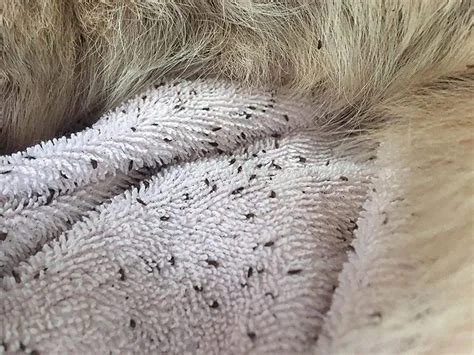
Flea Infestations in Dogs: A Persistent Nuisance
Fleas, though minuscule, are potent adversaries when it comes to your dog's well-being. These persistent parasites pose a significant threat to your dog's skin and overall health. Fleas not only cause intense itching and discomfort but also pave the way for more severe conditions if not promptly addressed. Their ability to multiply rapidly and infest not only your dog but also your home underscores the necessity for preventive measures and timely treatments.
I. Introduction
A. Importance of Understanding Flea Infestations

As a professional groomer understanding the impact of flea infestations on a dog's health is pivotal for pet owners' awareness and effective management. It's crucial to recognize the severity of these infestations, empowering pet owners to identify early signs and take proactive measures for their pets' health and comfort.
1. Impact on a Dog's Health:
Fleas are not just a minor nuisance; they pose significant threats beyond mere discomfort. Infestations can cause skin irritation, allergic reactions, and transmit diseases, impacting a dog's overall health. Fleas not only cause incessant itching and discomfort but also pave the way for more severe complications if not addressed promptly. Furthermore, the potential transmission of diseases by fleas, such as tapeworms and Bartonellosis (cat scratch fever), poses a significant risk to a dog's health.
2. Skin Health and Well-being:
Understanding flea infestations is pivotal for maintaining a dog's skin health and overall well-being. Fleas lead to skin irritation, incessant scratching, redness, inflammation, and sometimes the formation of sores. This constant irritation not only impacts the skin's health but can also manifest as behavioural changes in dogs, affecting their comfort and happiness.
3. Prevention and Treatment:
Comprehensive knowledge enables effective preventative measures and treatment strategies. Preventing and controlling flea infestations require a multi-faceted approach, including regular flea control, environmental cleaning, and appropriate grooming practices. By understanding the significance of preventive care and early intervention, dog owners can protect their beloved pets from the distressing impacts of flea infestations.
4. Importance of Veterinary Guidance: Professional veterinary guidance is crucial for tailored prevention and treatment methods. At WAG the Dog Grooming we actively dog owners to consult with a veterinarian ensures the most effective care and relief for their pets.

Conclusion: Understanding flea infestations safeguards a dog's health and comfort.
B. Impact on a Dog's Health and Well-being
Flea infestations are not merely a nuisance for dogs; they can significantly impact a dog's health and well-being. These tiny parasites, when left untreated, can cause a multitude of health issues, affecting not only the dog's physical health but also their mental and emotional state.
Dermatological Discomfort:
Fleas are notorious for their ability to incite dermatological discomfort in dogs. Their bites trigger intense itching, leading to constant scratching, biting, and licking. This persistent behavior causes skin irritation, resulting in redness, inflammation, and sometimes the formation of painful sores. Continual skin discomfort can be distressing for the dog, potentially causing behavioral changes and affecting their overall comfort.Allergic Reactions:
Flea saliva can trigger allergic reactions in certain dogs. When a dog develops an allergy to flea saliva, the itching and discomfort can intensify. This allergic response can exacerbate skin irritation, making the situation more uncomfortable and, in severe cases, lead to secondary skin infections. Such infections can result in more severe health issues, impacting the dog's general well-being and quality of life.Disease Transmission:
Fleas are vectors for various diseases and parasites. Apart from causing skin irritation, these pests can transmit parasites like tapeworms to dogs. Additionally, fleas can carry and transmit serious diseases, such as Bartonellosis (also known as cat scratch fever) in dogs. These health risks pose a significant concern, as untreated flea infestations can lead to health complications that may impact the overall health of the dog.Mental and Emotional Impact:
The constant discomfort caused by flea infestations can take a toll on a dog's mental and emotional well-being. The incessant itching, skin irritation, and discomfort can lead to changes in a dog's behavior, causing stress, anxiety, or even affecting their overall mood and sociability. This mental and emotional impact is an often overlooked but important facet of a dog's well-being affected by flea infestations.
Understanding the comprehensive impact of flea infestations on a dog's health and well-being is critical. The interplay between physical discomfort, potential diseases, and the mental and emotional toll highlights the significance of timely and effective flea control measures. By recognizing these impacts, pet owners are better equipped to address flea infestations promptly, ensuring their pets lead healthy, comfortable, and content lives.

C. Overview of the Article's Purpose and Structure
This article aims to empower dog owners with a deeper understanding of flea infestations and effective prevention and treatment measures. Organized systematically, it offers insights into impacts, prevention, treatment, and the role of professional groomers in identifying and addressing flea issues.
II. Understanding Fleas
Fleas, tiny but resilient parasites, are a common nuisance for our canine companions, causing a range of discomfort and health issues. These minuscule, wingless insects thrive on warm-blooded hosts, notably dogs, feeding on their blood. Characterized by their exceptional jumping abilities, fleas can leap distances far beyond their tiny size, swiftly moving between hosts or environments. Identified by their reddish-brown color and flattened bodies, fleas possess mouthparts specially designed for piercing the skin and siphoning blood, leading to itchy, irritating bites. These pests breed rapidly, with the female flea laying numerous eggs on the dog or in their living environment, contributing to a continual cycle of infestation.
Despite their small size, fleas pose significant threats to dogs. These parasites are not only an annoyance but can lead to a range of health complications. Flea bites, beyond causing incessant itching, can result in allergic reactions in some dogs, leading to dermatitis and skin inflammation. Moreover, repeated bites from fleas can cause anemia, particularly in young or small dogs, due to blood loss. Fleas are also potential carriers of harmful diseases and parasites, making effective flea control vital in maintaining a dog's health. Understanding the nature of these pests is essential for dog owners, as it aids in identifying and addressing infestations promptly, preserving the well-being and comfort of their cherished pets.
Fleas undergo a multi-stage life cycle, comprising four distinct phases: egg, larva, pupa, and adult. Understanding this life cycle is pivotal in combating infestations. Flea eggs, typically laid on a dog but frequently found in the surrounding environment, hatch into larvae in favorable conditions like humidity and warmth. These larvae, with a worm-like appearance, shy away from light and develop in dark, sheltered spots, such as carpets, bedding, or soil. They feed on organic debris and flea excreta, gradually maturing into pupae.
Within the pupal stage, fleas form a cocoon to undergo metamorphosis, staying dormant until environmental cues trigger their emergence as adults. The adult flea seeks out a host, such as a dog, for a blood meal to facilitate reproduction. Once fed, they start laying eggs, thereby perpetuating the life cycle. This cycle typically ranges from several weeks to months, influenced by environmental factors such as temperature and humidity. Understanding the life cycle of fleas is crucial for effective pest control as it offers insights into the different stages where interventions can disrupt their development, preventing re-infestation and preserving a dog's comfort and health.
Fleas are adaptable and resilient creatures, capable of surviving in various environments, with their life cycle significantly impacting infestation management. Knowing that the bulk of the flea population resides in the home environment, particularly in areas frequented by the dog, emphasizes the necessity of treating both the pet and its surroundings to effectively combat infestations. Prompt and comprehensive control measures targeting all stages of the flea life cycle, from eggs to adults, are crucial in achieving lasting relief for dogs and preventing recurring infestations.
Fleas, highly mobile and opportunistic parasites, infest dogs through a variety of methods. These tiny, wingless insects adeptly navigate their surroundings and seek warm-blooded hosts, particularly dogs, for their survival. Fleas transfer from one dog to another or from infested environments to pets. When dogs come into contact with infested areas, including grass, carpets, or bedding, fleas effortlessly hitch a ride on their fur, using the opportunity to feed on the dog's blood. Through direct contact with an infested dog or through exposure to contaminated areas, these pests swiftly initiate an infestation.
A common mode of flea infestation is the transfer from a heavily infested environment to a dog. Fleas, at various stages of their life cycle, are often found lurking in outdoor and indoor environments, patiently waiting for a suitable host to pass by. When dogs roam or rest in these areas, fleas adeptly leap onto their fur, exploiting the opportunity to feast on the pet's blood. Similarly, dogs might come in contact with infested objects like bedding, carpets, or upholstery, acting as transporters of fleas into their living space.
Another avenue of infestation is through encounters with other infested animals. Dogs interacting with other pets carrying fleas can easily pick up these parasites. Visits to dog parks, encounters with infested wildlife, or contact with stray animals can all serve as channels for fleas to jump onto a dog. Moreover, communal spaces where several dogs gather, such as grooming facilities, daycare centers, or shelters, can potentially expose dogs to fleas carried by other animals, leading to infestations. Understanding these various methods of infestation is crucial for effective preventive measures and timely intervention to safeguard a dog's well-being and comfort.
Flea infestations pose a significant threat to a dog’s health and well-being, causing a range of distressing impacts. These tiny but relentless parasites bring about skin irritation and discomfort in dogs through their bites. The saliva of fleas, introduced into a dog's skin during feeding, often triggers allergic reactions, leading to intense itching, redness, and inflammation. Prolonged scratching, biting, or licking as a response to these bites can result in skin lesions, open sores, and hair loss. Such self-inflicted injuries not only lead to pain but also elevate the risk of secondary bacterial infections, intensifying the dog’s suffering.

Beyond skin issues, flea infestations can culminate in various health complications for dogs. Anemia, caused by blood loss due to frequent flea feeding, is a common repercussion, particularly among puppies or smaller breeds. Fleas consume a considerable amount of blood, potentially leading to a decrease in red blood cells, causing weakness, lethargy, and in severe cases, even more serious health issues. Moreover, fleas act as vectors for transmitting diseases. For instance, fleas can carry and transmit tapeworms, leading to gastrointestinal distress in dogs. Additionally, more severe illnesses like Bartonellosis, commonly known as cat scratch fever, can be transmitted through flea bites, causing fever, lethargy, and swollen lymph nodes in dogs.
The mental and emotional well-being of dogs is also affected by flea infestations. Dogs suffering from incessant itching and discomfort become distressed and anxious, leading to behavioral changes. The constant discomfort, coupled with the cycle of scratching, biting, and grooming to relieve the itch, can significantly impact a dog's temperament. This continual struggle against the fleas’ bites and the resultant discomfort can lead to stress, affecting a dog’s overall happiness and quality of life. Understanding the comprehensive impact of flea infestations on a dog's health underscores the significance of prompt prevention and effective treatment strategies to alleviate these distressing effects and restore the dog's well-being.

III. Signs and Symptoms of Fleas in Dogs
Recognizing the signs
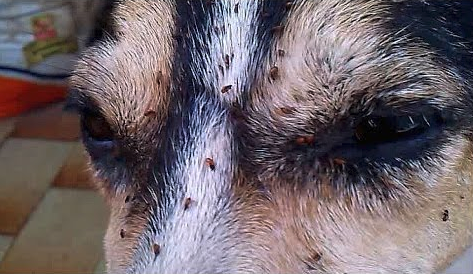
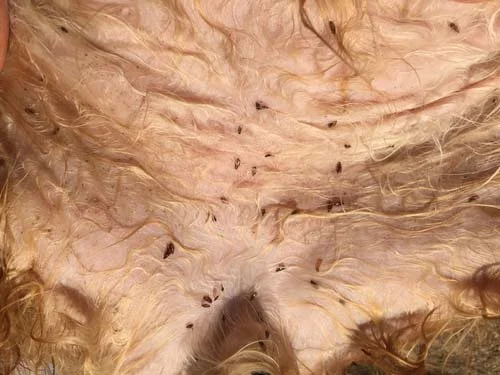
Recognition of a flea infestation in dogs is pivotal for prompt intervention and effective management. One of the most evident indicators is the dog's behavior. Dogs infested with fleas tend to display increased scratching, biting, or chewing on their skin. This behavior is often localized to specific areas and can become more intense as the infestation progresses. Owners might observe their pets excessively grooming themselves, especially around their hindquarters, neck, or base of the tail, indicative of flea activity. Another common sign is the presence of red, irritated skin, along with hair loss in these areas, often due to the dog’s persistent efforts to alleviate the itching and discomfort caused by flea bites. These signs can be accompanied by the visible presence of tiny dark specks or "flea dirt" in the fur, a telltale sign of flea infestation. Observing these signs warrants immediate attention to address the infestation promptly.
Furthermore, the presence of flea bites or flea dirt doesn't solely signify an infestation on the dog itself. Owners may also notice flea dirt or eggs in their dog's bedding, carpets, or around the home, indicating a widespread problem. Household inspection becomes vital to understand the scope of the infestation and take necessary measures for eradication. Additionally, observing the actual fleas or flea larvae on the dog's fur or in the environment further confirms the infestation. These tiny, dark-brown parasites move quickly through the fur and can be seen, particularly when the fur is parted. Identifying these various signs of a flea infestation helps owners understand the extent of the issue and take proactive steps towards flea control and treatment for their pet's well-being and overall health.
Physical symptoms
Flea bites on dogs often result in evident physical symptoms and behavioral changes. Physically, flea bites manifest as small, red, raised bumps, typically found on the dog's belly, groin, lower back, and base of the tail. Dogs react to these bites by exhibiting incessant scratching, biting, or licking at the affected areas. The persistent irritation may lead to hair loss, inflamed skin, scabs, or hot spots. Notably, some dogs might develop an allergic reaction to flea saliva, exacerbating the skin's irritation. This hypersensitivity results in a condition known as flea allergy dermatitis (FAD), causing heightened itching and skin discomfort. Owners might observe their pets experiencing more intense and relentless scratching, leading to worsened skin conditions due to the allergic response.
Behavioral changes in affected dogs
Behavioral changes in dogs affected by flea bites or allergic reactions are noticeable. Infested dogs often exhibit increased restlessness or agitation, as the discomfort from flea bites may cause them distress. Furthermore, the incessant scratching and biting to relieve the itchiness can lead to altered behavior, including irritability or discomfort when touched. Dogs may display heightened anxiety, manifesting through increased pacing, panting, or even changes in their sleep patterns. Moreover, due to the continuous discomfort, affected dogs may withdraw from their regular activities or exhibit signs of depression. Detecting these behavioral changes alongside the physical symptoms helps owners identify potential flea infestations or allergic reactions, prompting timely intervention and relief for their furry companions.
IV. Health Risks and Complications
Impact of Flea Infestations on a Dog's Skin: Flea infestations wreak havoc on a dog's skin, leading to various adverse effects. The constant biting and feeding of fleas cause intense itching, redness, and skin irritation. Dogs often react by scratching, biting, and chewing excessively in an attempt to relieve the discomfort. These actions result in damaged skin, sometimes leading to open sores, scabs, and even secondary bacterial infections due to the breaks in the skin's protective barrier. Prolonged infestations exacerbate the condition, potentially leading to hair loss and the formation of hot spots, medically known as acute moist dermatitis. Such skin trauma not only causes pain but can lead to severe distress and affect the overall well-being of the dog.
Health Risks Due to Flea-Borne Diseases: Fleas are not just nuisances; they pose significant health risks to dogs. These blood-sucking parasites can transmit diseases and parasites, one of the most common being tapeworms. Fleas carry tapeworm larvae, and when ingested during grooming, dogs can develop tapeworm infections. Moreover, fleas can also transmit diseases such as Bartonellosis, commonly known as cat scratch fever, even in dogs. The symptoms may range from mild to severe, causing fever, lethargy, swollen lymph nodes, and in more severe cases, affect the heart or nervous system. The risk of these diseases emphasizes the critical need for effective flea prevention and control measures.
Complications Arising from Untreated Flea Infestations: Untreated flea infestations can spiral into severe complications for dogs. The continuous feeding and skin irritation from fleas may lead to anemia due to blood loss, especially in smaller or younger dogs. Moreover, untreated flea bites, often causing open wounds, provide an entry point for bacteria, leading to secondary skin infections. When left unaddressed, these infections can exacerbate the skin condition, causing more pain and distress to the dog. Chronic flea infestations might lead to alopecia (hair loss), hyperpigmentation, or even severe dermatitis, resulting in a compromised skin barrier and, subsequently, a decreased ability to protect against other potential infections and skin-related issues. Seeking prompt and appropriate treatment is crucial to prevent these complications and maintain the overall health and comfort of dogs affected by fleas.
V. Prevention and Treatment
Impact of Flea Infestations on a Dog's Skin: Flea infestations wreak havoc on a dog's skin, leading to various adverse effects. The constant biting and feeding of fleas cause intense itching, redness, and skin irritation. Dogs often react by scratching, biting, and chewing excessively in an attempt to relieve the discomfort. These actions result in damaged skin, sometimes leading to open sores, scabs, and even secondary bacterial infections due to the breaks in the skin's protective barrier. Prolonged infestations exacerbate the condition, potentially leading to hair loss and the formation of hot spots, medically known as acute moist dermatitis. Such skin trauma not only causes pain but can lead to severe distress and affect the overall well-being of the dog.
Health Risks Due to Flea-Borne Diseases: Fleas are not just nuisances; they pose significant health risks to dogs. These blood-sucking parasites can transmit diseases and parasites, one of the most common being tapeworms. Fleas carry tapeworm larvae, and when ingested during grooming, dogs can develop tapeworm infections. Moreover, fleas can also transmit diseases such as Bartonellosis, commonly known as cat scratch fever, even in dogs. The symptoms may range from mild to severe, causing fever, lethargy, swollen lymph nodes, and in more severe cases, affect the heart or nervous system. The risk of these diseases emphasizes the critical need for effective flea prevention and control measures.
Complications Arising from Untreated Flea Infestations: Untreated flea infestations can spiral into severe complications for dogs. The continuous feeding and skin irritation from fleas may lead to anemia due to blood loss, especially in smaller or younger dogs. Moreover, untreated flea bites, often causing open wounds, provide an entry point for bacteria, leading to secondary skin infections. When left unaddressed, these infections can exacerbate the skin condition, causing more pain and distress to the dog. Chronic flea infestations might lead to alopecia (hair loss), hyperpigmentation, or even severe dermatitis, resulting in a compromised skin barrier and, subsequently, a decreased ability to protect against other potential infections and skin-related issues. Seeking prompt and appropriate treatment is crucial to prevent these complications and maintain the overall health and comfort of dogs affected by fleas.
Preventive Measures Against Fleas: Preventing flea infestations is vital for maintaining a dog's health. Regular grooming practices, like bathing your dog with vet-approved flea shampoos and using preventive methods such as flea collars or spot-on treatments, create a protective barrier against fleas. Maintaining a clean living environment is essential. Regular vacuuming, washing bedding, and using recommended flea control products prevent flea multiplication. Environmental control, such as keeping outdoor areas where dogs roam free from tall grass and dense bushes, reduces flea habitats.
Treatment Options and Remedies: n the case of a flea infestation, prompt and effective treatment is crucial. Veterinary advice is essential to determine the most suitable treatment. Medications, such as oral flea preventives or spot-on treatments, prescribed by a vet, help eliminate fleas. Bathing your dog with specialized shampoos aids in soothing irritated skin and removing existing fleas. Foggers or sprays used indoors can eliminate fleas and their eggs. Additionally, natural remedies, like diatomaceous earth, are considered for their potential to repel or kill fleas naturally. Always consult with a vet before using any new products or home remedies to ensure they are safe and effective for your pet.
Effective Flea Control Methods: Effective flea control involves a multi-faceted approach, addressing the dog and their environment. Routine grooming practices, along with preventive treatments, ensure comprehensive defense against fleas. Environmental control involves regular cleaning of areas where the dog spends time. Using vet-recommended environmental products to eradicate fleas in the household minimizes the risk of re-infestation. Flea control methods extend to the yard, where regular maintenance and keeping outdoor spaces clean contribute significantly to preventing flea infestations.
Importance of Environmental Cleaning and Grooming Practices: Thorough environmental cleaning plays a pivotal role in eliminating fleas. Regular vacuuming, washing your dog's bedding, and cleaning furniture can eradicate flea eggs and larvae, significantly reducing the chances of re-infestation. Concurrently, regular grooming practices are essential. Grooming not only keeps your dog's coat clean and healthy but also allows for the early detection of fleas or skin irregularities. Consistent grooming practices, coupled with environmental cleanliness, are crucial in preventing and controlling flea infestations, ensuring your dog remains comfortable and free from these pesky parasites.
Preventive Care Measures: Preventive care against fleas encompasses maintaining a balanced diet, ensuring regular check-ups and vaccinations, and ensuring a hygienic living environment. This holistic approach aids in preventing flea infestations and maintaining a dog's health. Regular grooming sessions and adherence to a vet-recommended flea prevention regimen are essential. Ensuring these preventive care measures significantly reduces the likelihood of flea infestations and ensures a dog's overall well-being.Bottom of Form
VII. Veterinary Consultation
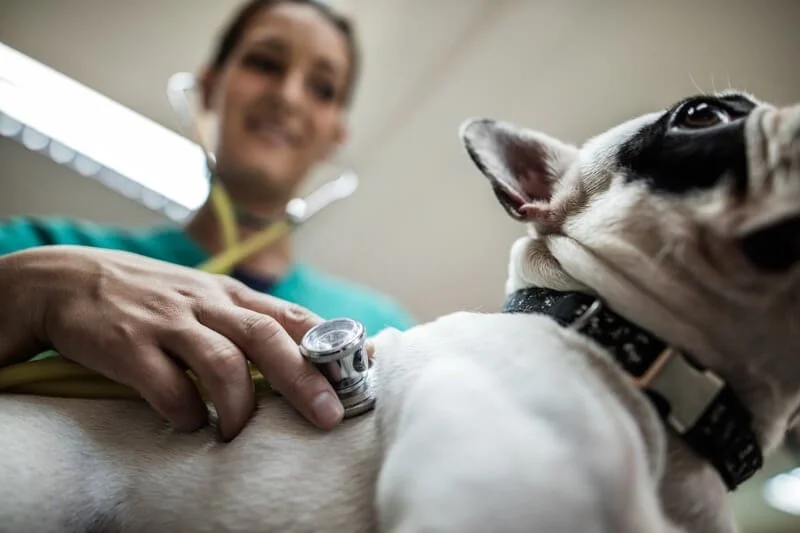
Veterinarians play a vital role in flea treatment by offering expert guidance on choosing the most suitable flea treatment for dogs. They provide tailored recommendations based on the dog's health condition, age, and specific needs. Veterinary advice helps in selecting the right products that effectively eliminate fleas while ensuring the dog's safety. Understanding the importance of seeking professional help is crucial, especially when dealing with severe flea infestations or if a dog shows signs of adverse reactions to flea treatments. Veterinarians provide insights into recognizing potential side effects or allergic responses to flea products, advising dog owners on when to seek immediate professional assistance, ensuring the health and well-being of their pets.
VIII. Conclusion
The articles on fleas comprehensively cover crucial aspects to aid dog owners in understanding and managing flea infestations. They detail the lifecycle of fleas, elucidating the stages of egg, larva, pupa, and adult, highlighting the necessity to comprehend these stages for effective eradication. The impact of flea infestations on a dog's health, skin, and overall well-being is emphasized, stressing the health risks associated with flea-borne diseases, skin irritations, allergic reactions, and potential complications arising from untreated infestations. The articles delve into preventive measures, including environmental cleaning, grooming practices, and flea control methods, underlining their significance in averting infestations and maintaining a dog's comfort.
Furthermore, the articles provide detailed insights into treatment options and remedies for flea control, such as oral medications, topical treatments, and environmental control measures. They stress the importance of a multifaceted approach, offering guidance on effective flea control methods while highlighting the necessity of preventive care measures to reduce the likelihood of reinfestation. Additionally, the role of veterinarians in flea treatment is articulated, focusing on their guidance in selecting appropriate treatments and recognizing the right time to seek professional help, ensuring the well-being and safety of dogs in managing flea issues.
The importance of flea prevention and treatment cannot be overstated in maintaining a healthy and comfortable environment for dogs. Proactive measures in preventing flea infestations are crucial, emphasizing regular grooming, environmental cleaning, and utilizing effective flea control methods. These efforts help reduce the likelihood of infestations and ensure a flea-free environment for dogs, significantly impacting their overall well-being. Encouraging dog owners to adopt preventive care measures, such as routine grooming and environmental cleanliness, can drastically reduce the risk of flea infestations, promoting a safe and comfortable atmosphere for their beloved pets. As a professional Groomer and qualified vet, it is imperative to stress the significance of early intervention, guidance on suitable treatments, and the implementation of preventive strategies to safeguard dogs from the distressing impacts of flea infestations.

Stay tuned for the next part of this series
We'll delve into more common skin issues and their solutions. Additionally, for personalized advice and quality grooming products to maintain your dog's skin health, visit WAG the Dog.