Poochy Pawtraits
Five Dog Photo Tips
How often do you struggle to capture that perfect photo with your dog looking at the camera? They do something endearing, but however hard you try, you cannot get them to look at you when you have a camera in hand.
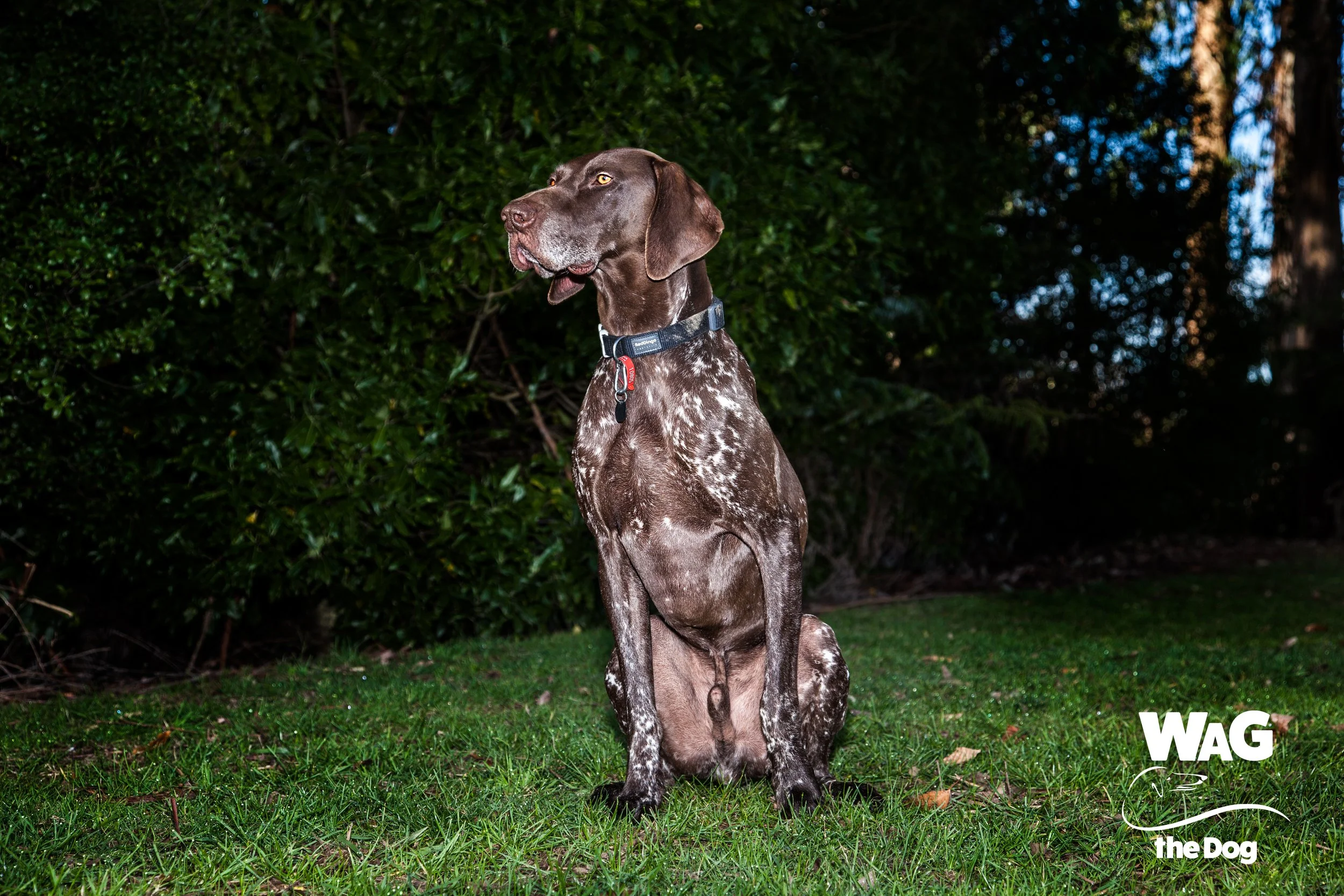
So frustrating! Right?!
In the past I have begged my dog to look at me, called her over and over, snapped my fingers, and done a few more silly things, just to get her to look at my camera so I could capture a photo, but time and time again I would be left frustrated and disappointed.
So I did some research and to help you avoid the frustration, I found the following 5 basic tips/techniques to help you get your dog looking at the camera.
1. Noises
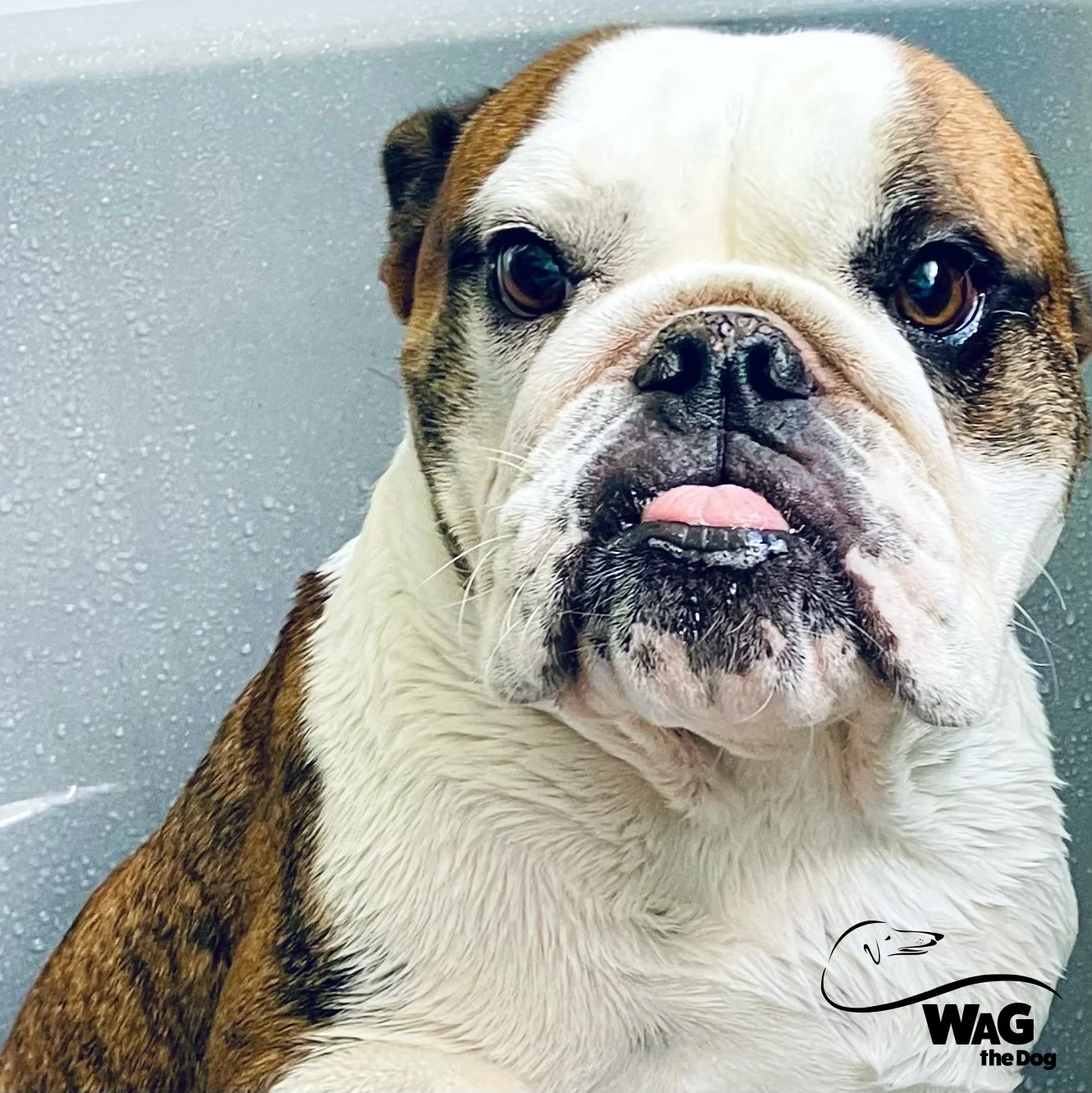
Noises are a great way to get your dog looking at the camera.
The key is to figure out which noises work best for your dog, as every dog is different. Practice noises at home and see what your dog responds to the most.
There are basically two types of noise, familiar noises and noise that is completely new and unfamiliar. For example, most dogs are familiar with the sound of a doorbell. For some pups a doorbell will make him look up, but for other dogs it might spark a barking frenzy. It is best to avoid using familiar noise if your dog’s reaction is to bark.
Your hands will be busy taking the photo, so try to find a noise that can be made without your hands. Experiment with high pitched, low pitched noises and different volumes. You could try making noises with your mouth like, popping, rolling “R” sounds, clicking your tongue, whistles, bird calls, or barking. Have fun and figure out what gets the best response.
Squeakers are also a great option especially if you can operate them with your feet or between your knees, but if your dog is obsessed and uncontrollable when they hear them, they are best avoided.
There are several free apps for your phone that have different noises you can use, like cat meows or hisses, and there are several others you could try. Again, experiment and see which gets the best reaction.
Once you know what noise gets the right response use it when you have your shot composed and you are ready to take the photo, make the noise. If you get the expression you’re looking for, take the photo. If not, get ready and make the noise again. If it doesn’t work, move onto another noise or try out one of the following tactics.
2. Toys
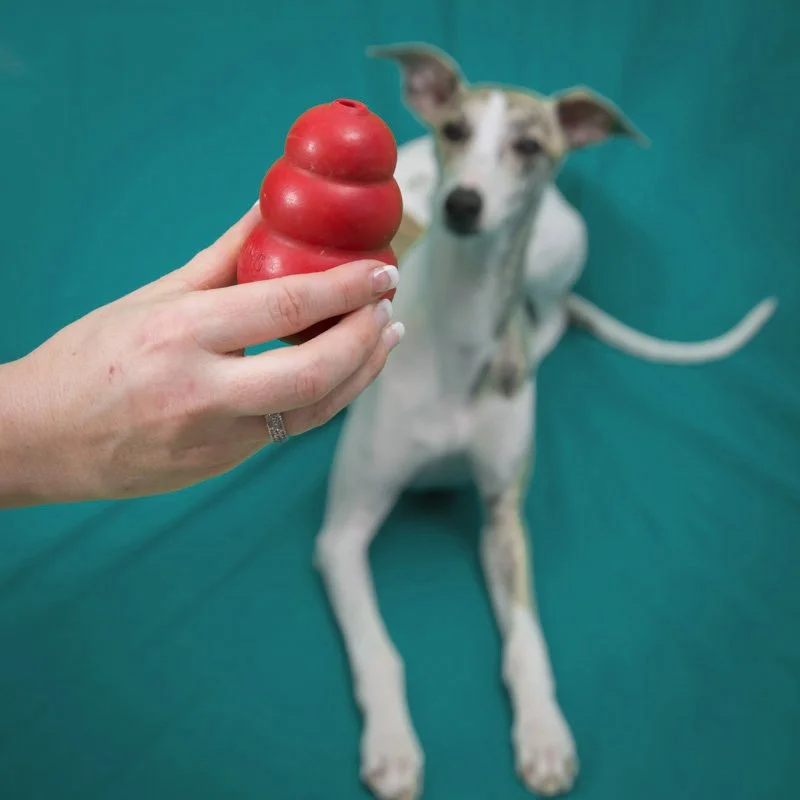
What’s your dog’s favourite toy?
Toys can work really well to get your dog looking at the camera. Often simply holding your pup’s favourite toy behind the camera lens will be enough to make them look at your camera. If the toy has a squeaker…even better!
However, if your dog is obsessed with a particular toy, be selective about how and when you use it, don’t introduce it too early. You don’t want your dog to be so focused on the toy that they won’t do anything else. Just as with noises, have fun experimenting with toys to see which one gets the reaction you are after.
3. Treats

Dogs are very food motivated and so treats are a very popular incentive.
Let your pup sniff the treat in your hand, give them one and when they have finished it, show them another and bring your hand up behind the camera lens. You will find that they follow the delicious scent, and end up looking at the camera.
Although treats work incredibly well at the right time, giving a treat too early can also result in an obsessed pup that is not interested in doing anything but tracking down those treats. It’s best to start with using noises and toys to get your dog looking at the camera, and then use treats later in the shoot when you’ve already got a few photos you’re happy with.
4. Get Your Dog Comfortable With A Lens
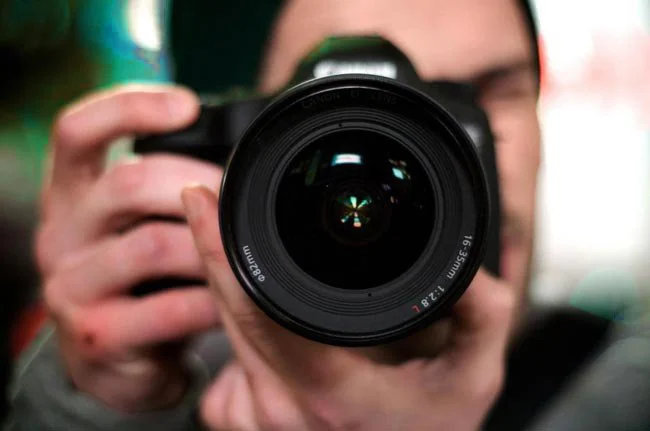
Does your dog look away when you point your camera in their direction? Often dogs will look away when a camera lens is pointed at them. To them it looks like a big eye and makes them very uncomfortable so it’s worth the effort to get your dog familiar and comfortable with your camera and lens.
If you’re using a phone camera, the lens is usually small, and your pup is probably very used to seeing you with it every day, but if you’re using a dslr camera, it may take a little longer to get them comfortable.
Teach your dog a command to go with to looking at the camera. You could use the word “Smile” which basically means “look at the camera”. Start slowly and each time you say “Smile” and when they moves their head in your direction, give them a reward. At the beginning it may only be a really small head turn in your direction, but it’s a start and you can build on it. Practice it each time you use your camera, and gradually you will get your dog comfortable looking at the lens.
5. Patience
Patience is an essential part of taking photos of your dog. Some days you will find that you actually can’t get the shot you want, despite your best efforts. It may be that there are too many distractions or your dog is just not into it that day.
Taking photos of your dog is supposed to be fun so remember if you get irritated and frustrated, your dog will pick up on your emotions and become more anxious and less likely to co-operate. Know when to try another day. Put down your camera and play or cuddle with your dog. Spend some quality time. Your patience will be worth it in the end.
So fellow dog lover, enjoy experimenting with your fur friend to find out which of these 5 tips work best with them. It may not happen overnight, but the time you spend working with your dog to get them relaxed and comfortable with your camera will be worth it.